Creative Ways to Dispose of Packaging and Cardboard Responsibly: A Complete UK-Focused Guide
If your hallway looks like a mini-warehouse after an online shopping spree, you're not alone. Cardboard boxes, padded mailers, tape, and paper void-fill pile up fast. The good news: you can turn that pile into savings, organisation, compost, community goodwill, and--yes--solid eco-credentials. In this comprehensive guide, we'll walk you through creative ways to dispose of packaging and cardboard responsibly, from smart reuse and upcycling to compliant recycling, composting, and business-grade solutions. Practical, friendly, and grounded in real UK practice. Kettle on, sleeves up.
Table of Contents
- Why This Topic Matters
- Key Benefits
- Step-by-Step Guidance
- Expert Tips
- Common Mistakes to Avoid
- Case Study or Real-World Example
- Tools, Resources & Recommendations
- Law, Compliance or Industry Standards (UK-focused)
- Checklist
- Conclusion with CTA
- FAQ
Why This Topic Matters
Packaging is everywhere. From fresh veg deliveries to that late-night tech order, it's part of modern life. But it doesn't have to be waste. Finding creative ways to dispose of packaging and cardboard responsibly is about more than tidiness--it's about keeping valuable fibre in use, cutting costs, reducing carbon, and supporting a circular economy.
In the UK, paper and cardboard are among the most widely recycled materials. According to industry figures and WRAP guidance, well over half--often north of two-thirds--of paper/cardboard gets recycled each year. Yet, contamination (food grease, plastic tape, wetness) and poor sorting still send tonnes to landfill or energy-from-waste. That's a shame. Because clean cardboard is like gold to recyclers: consistent, strong, easy to remanufacture. Let's face it--throwing good fibre away is like binning money.
Micro moment: A rainy Tuesday in Leeds. You can almost smell the faint dusty-paper scent as you break down a stack of boxes. Two minutes later, you've got flat, tidy sheets ready for reuse. It feels, weirdly, satisfying. Clean, clear, calm. That's the goal.
Key Benefits
- Save money: Reusing boxes and void-fill cuts buying costs. For businesses, baling cardboard can reduce collections and service fees.
- Free up space: Breaking and stacking lowers clutter. Your hallway--and your head--feel lighter.
- Lower carbon impact: Recycling cardboard typically uses less energy and water than making virgin fibre. Composting small amounts returns carbon to soil in a beneficial way.
- Compliance and credibility: Following the waste hierarchy and UK duty of care boosts ESG reporting and customer trust.
- Creativity and joy: Upcycling--seedling pots, drawer dividers, kids' playhouses, even cat scratchers--brings a small spark of fun. And to be fair, we all need a bit of that.
- Community benefit: Sharing moving boxes through local groups reduces waste while helping someone else out. Warm fuzzies included.
Step-by-Step Guidance
Below are practical steps for households, small businesses, and larger sites. Mix and match as needed. The theme--use what you can, recycle the rest, comply throughout.
1) Sort Smart from the Start
- Set up zones: One stack for clean cardboard, one bag/box for paper packaging, a small tub for soft plastics (if your local scheme accepts them), and another for non-recyclables like plastic-foil mailers.
- Keep it dry: Moisture ruins cardboard strength and value. Store under cover. If it's raining, wait. A few hours can save a bale.
- Flatten it: Use a box cutter carefully, remove excess tape, tuck flaps inside. Stack by size; you'll be surprised how neat it looks.
Mini story: A small flat in Hammersmith, post-Christmas. Once the boxes were flattened and stacked by the cupboard, the living room suddenly looked bigger. Like a mini magic trick.
2) Reuse Before You Recycle
Think: function first, then fun.
- Storage & moving: Keep a few good boxes for seasonal clothes, holiday decorations, or your next move. Label clearly; future-you will thank you.
- Shipping & returns: Reuse sturdy cartons for online sales or returns. Add a note: "Box reused to reduce waste." Customers like that.
- Drawer dividers: Cut strips to size; slip into messy drawers. Quietly transformative.
- Pet care: DIY cat scratcher (stack thin strips, glue, compress) or temporary litter mat. Avoid glossy or heavily dyed card.
- Gardening: Use plain brown corrugated as a weed suppressant under mulch (a.k.a. sheet mulching). Remove tape. Avoid waxed or coated boxes.
- Kids' crafts: Forts, castles, post office counters. Add crayons and a rainy day; job done.
3) Upcycle Like a Pro
- Protective packaging: Turn old boxes into void fill. Score the card in a grid and flex it for a honeycomb effect, or shred into strips.
- Seedling pots: Roll strips around a jar, fold the base. Compostable and free. Keep them evenly moist.
- Tool organisers: Create modular trays for screws and bits. Label with a marker. It's oddly calming.
Safety note: If you shred a lot of cardboard, wear a dust mask and eye protection. Cardboard dust is real; you'll see why after five minutes near a shredder.
4) Recycle Right
- Know your scheme: Check your local council's materials list. Most UK kerbside programmes accept clean, dry cardboard and paper.
- Remove contamination: Peel off plastic windows from envelopes and excessive tape. Staples are usually acceptable, but remove what's easy.
- Size matters: If your council needs small bundles, cut large boxes down. Tie loosely with twine if advised.
- Pizza boxes? If the top lid is clean, recycle that part. If greasy, compost it (where permitted) or bin it. A fair compromise.
5) Compost & Soil Uses (Home and Community)
- Brown matter: Cardboard is "brown" carbon-rich material. Balance with "green" nitrogen-rich waste (veg peels, coffee grounds).
- Shred first: Smaller pieces break down faster. Keep the heap moist like a wrung-out sponge.
- Worm bins: Cardboard makes excellent bedding for vermicomposting. Avoid glossy, heavily inked, or coated boards.
- Sheet mulching: Lay down cardboard around shrubs, add mulch on top. Great for suppressing weeds while feeding the soil. Remove all tape first.
Heads up: Do not compost waxed produce boxes or anything with a plastic film lining. They'll linger in your soil like an unwanted guest.
6) Small Business and Office Workflow
- Appoint a recycling lead: Someone who knows the flow and can train new starters in two minutes flat.
- Place point-of-use tubs: One for clean cardboard, one for mixed paper, and a small caddy for soft plastics if collected separately.
- Set a dismantle station: Keep a safe box cutter, tape removal tool, and a flat trolley. Standards save time.
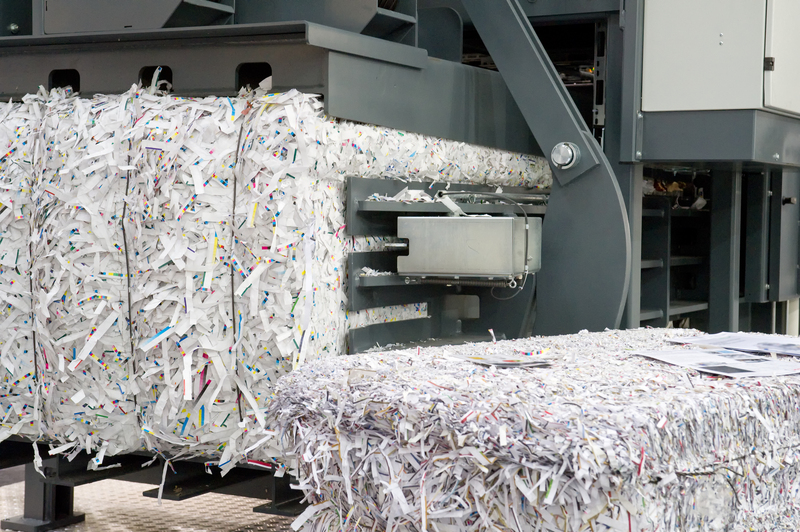
- Bale or compact: If volumes justify, rent a small baler or compactor. Bale weights reduce collections and costs.
- Track contamination: Add a simple sign: "No food, no liquids, no grease." It genuinely works.
7) Higher-Volume Sites (Warehouses & Retail)
- Segregate at source: Keep OCC (old corrugated containers) separate from mixed paper.
- Specify bale standards: Align with EN 643 grades for paper and board. Your recycler will love you for it.
- Rain-proof storage: Undercover, off the ground. Wet bales kill value.
- Backhaul: Use return logistics to move cardboard to central baling hubs if that cuts transport emissions.
8) Community Sharing
- Box exchange: Offer moving boxes on local Facebook groups, Nextdoor, or Freecycle. "Collection from doorstep" keeps it breezy.
- School art donations: Clean sheets for art backings or stage props--always ask first, of course.
- Charity shops: Some accept clean, strong boxes for storage. Short, polite phone call first saves a trip.
Truth be told, giving a stack of boxes to a neighbour who's moving next weekend feels good. A tiny community win on a quiet Sunday morning.
Expert Tips
- Think circular, not linear: Before anything leaves your home or warehouse, ask: "Can we loop this back as-is?" Reuse beats recycling.
- Design for reuse: If you ship goods, choose cartons with double walls and minimal branding so customers can reuse them more easily.
- Label reusables: Add a small stamp: "I'm a reused box." It encourages customers to keep the chain going.
- Invest in simple tools: A decent box cutter, a comfortable tape gun, and a cardboard perforator (if you ship a lot) work wonders.
- Standardise tape: Choose paper tape with plant-based adhesive for easier recycling and composting. It also looks premium--nice bonus.
- Avoid food contact: Keep cardboard storage away from break areas to prevent splashes and smells. Recyclers will notice.
- Audit quarterly: A 20-minute walk-through can uncover obvious wins. If you're business-side, note bale weights and contamination rates.
- Don't over-shred: Shredding everything can turn high-value boxes into low-value fluff. Reuse whole boxes where you can.
- Track local changes: Councils occasionally update accepted materials; a quick annual check saves headaches.
- Safety first: Dull blades cause more slips. Keep knives sharp, use cut-resistant gloves if volumes are high.
Small aside: Ever tried clearing a room and found yourself keeping everything "just in case"? Keep two weeks' worth of boxes, not two years'. Boundaries help.
Common Mistakes to Avoid
- Wet cardboard: Rain-soaked boxes lose fibre quality and mould quickly. If soaked, dry thoroughly or compost small amounts.
- Greasy food residues: Pizza oil and curry spills contaminate loads. Recycle only the clean portions; compost the rest if suitable.
- Leaving plastic tape on: A bit is fine, but thick bands of plastic tape should be removed. Paper tape is better.
- Mixing coated boards: Waxed or plastic-lined boxes (e.g., some produce or chilled goods) aren't usually kerbside recyclable. Separate them.
- Overcompacting by foot: Stomping boxes can cause injuries and torn fibres. Score, fold, then flatten--calmly.
- Ignoring safety: No loose blades, no cutting towards your hand. It's basic, but it matters.
- Assuming all councils match: UK schemes vary. Check locally instead of guessing--saves a lot of back-and-forth with the bin men.
Yeah, we've all been there--rushing the tidy-up, mixing everything in one bag, then regretting it later. Slow is smooth, smooth is fast.
Case Study or Real-World Example
Case Study: Manchester Micro-Retailer Turns Boxes into Savings
A small online homewares shop in Manchester was spending too much on void fill and paying for frequent mixed-recycling collections. The director described the stockroom as "a sea of cardboard--loud, messy, everywhere." You could almost smell the cardboard dust in the air during busy season.
- Audit: They mapped incoming packaging types and volumes for four weeks. Most was clean corrugated, with moderate paper and some plastic mailers.
- Simple tools: They bought a compact cardboard perforator and switched to paper tape. Total cost under the price of a few months of void-fill purchases.
- Reuse system: Best-condition boxes became outbound packaging. Staff added a small printed note: "This box is reused to reduce waste."
- Baling: Remaining clean cardboard was baled monthly. They negotiated better rates by meeting EN 643 grade expectations (dry, sorted, minimal contaminants).
- Soft plastic separation: Staff placed a small caddy for flexible plastics, collected separately under a new local scheme.
Outcome after 3 months: Packaging material purchases down ~45%, collection frequency down 30%, workspace safer and quieter. Plus, customers emailed compliments on the reuse note--unexpected, but lovely. To be fair, those small touches add up.
Community Micro Moment: Hackney Moving-Box Exchange
One neighbour posted "Free moving boxes--strong and clean, collection tonight" on a local group. Ten minutes later, ding-dong. The grateful couple downstairs were moving on Saturday. Less waste, less hassle, more smiles. Done and dusted.
Tools, Resources & Recommendations
Home & Small Office Tools
- Box cutter with safety lock and spare blades
- Packing tape gun (ideally with paper tape)
- Permanent marker for labelling and sorting
- Cardboard perforator or small shredder (if you ship regularly)
- Twine or string for bundling if required by your council
- Gloves and dust mask for high-volume handling or shredding
Business Tools
- Entry-level baler for OCC if volumes justify (check power, bale size, safety features)
- Pallets and shrink alternatives (reusable pallet bands, for example)
- Moisture-resistant storage for bales and stacked flats
- Clear signage and quick training scripts
Resources (UK)
- WRAP – Recycle Now: Up-to-date guidance on local recycling schemes and materials.
- OPRL (On-Pack Recycling Label): Check labels like "Recycle" or "Don't Recycle" to guide disposal.
- Gov.uk pages on Waste Duty of Care and packaging producer responsibilities.
- EN 643 standard for paper and board grades--useful if you sell or bale material.
Ever tried to guess what's recyclable at 6am with bin lorry noises outside? Bookmarking your council's page helps--no more panic sorting in slippers.
Law, Compliance or Industry Standards (UK-focused if applicable)
Responsible cardboard and packaging disposal isn't just best practice--it sits within a UK legal framework. A quick primer, plain English:
- Waste Hierarchy (EU/UK principle): Prioritise prevention, then reuse, then recycling, then recovery (like energy-from-waste), and finally disposal. It's the backbone of good decisions.
- Environmental Protection Act 1990 & Duty of Care: If you're a business, you're legally responsible for your waste. Segregate appropriately, use licensed carriers, and keep transfer notes.
- Waste Duty of Care Code of Practice (England & Wales): Guidance on storing, moving, and describing waste correctly. Scotland and Northern Ireland have parallel duties.
- Producer Responsibility Obligations (Packaging Waste) Regulations: If you place significant packaging on the UK market, you may need to register, report data, and finance recovery/recycling.
- Extended Producer Responsibility (EPR) for Packaging: Being phased in. Data reporting has begun; fees and labelling requirements are scheduled to roll out in stages from 2024-2026 (subject to government updates). Check gov.uk for current timelines.
- OPRL Labelling: Many packs now show "Recycle" or "Don't Recycle." Follow it unless your local scheme states otherwise.
- BS EN 643: The European list of standard grades of paper and board for recycling. If you're baling or selling material, aligning with EN 643 improves value and compliance.
- ISO 14001: Organisations use this environmental management standard to structure waste reduction, auditable and credible.
Tip for businesses: Keep records tidy--waste transfer notes, contracts with carriers, and training logs. Audits go smoother, and you look like the pro you are.
Checklist
- Sort: Clean, dry cardboard separate from mixed paper and soft plastics
- Store: Keep under cover, off the floor
- Prepare: Remove heavy tape and plastic windows; flatten boxes
- Reuse: Keep best boxes, create drawer dividers, make seedling pots
- Upcycle: Perforate for void fill, craft for kids/pets, sheet mulch the garden
- Recycle: Follow local council rules; bundle if required
- Compost: Only plain, non-coated card; avoid heavy inks and grease
- Business: Consider baling, signage, quick training; track contamination
- Compliance: Duty of Care, EN 643 (if selling), EPR updates
- Safety: Sharp blades, gloves, dust mask for shredding
Conclusion with CTA
From a single kitchen drawer to a humming warehouse, creative ways to dispose of packaging and cardboard responsibly are within easy reach. Reuse what you can, recycle the rest correctly, and turn a chore into a small act of stewardship. The payoff? Less clutter, lower costs, and a quieter conscience. Ever notice how a tidy space makes your shoulders drop a little? That.
Get a free quote today and see how much you can save.
Take a breath. You're closer to zero waste than you think.
FAQ
What's the best way to store cardboard before recycling?
Keep it clean, dry, and flat. Stack by size under cover--shed, cupboard, or warehouse racking. Avoid leaning against damp walls. If it gets wet, dry it before recycling.
Can I recycle pizza boxes?
Yes--often partially. If the top lid is clean, recycle that. Greasy sections contaminate fibres; compost them if your home system allows, or place in general waste.
Is all cardboard compostable?
Plain, uncoated, non-glossy cardboard breaks down well as a "brown" in compost. Avoid waxed boxes, heavy inks, and plastic-lined boards.
How do I responsibly dispose of padded mailers?
Mailers vary. Paper-only padded mailers are usually kerbside recyclable. Plastic-bubble-lined ones typically are not--separate paper from plastic if possible, then recycle what your council accepts.
What are some creative reuse ideas for boxes?
Drawer dividers, seedling pots, craft backings, toy forts, cat scratchers, and DIY void fill for shipping. For businesses, reuse clean cartons for outbound orders with a simple "reused box" note.
How do I remove tape efficiently?
Score along the seam with a sharp blade, peel in long strips, and switch to paper tape for the future. A good tape gun speeds everything up.
Do I need a baler for small-business cardboard?
Not always. If your volumes are moderate, regular pickups of flattened cardboard may be enough. Consider a baler if collection costs are high or you can sell bales meeting EN 643 grades.
What UK laws apply to business cardboard waste?
Key points include the Duty of Care under the Environmental Protection Act 1990, Waste Duty of Care Code of Practice, Packaging Producer Responsibilities, and phased Extended Producer Responsibility (EPR) rules. Keep records and use licensed carriers.
Is coloured or printed cardboard recyclable?
Lightly printed or dyed cardboard is usually fine. Very glossy, metallic, or heavily coated boards may not be kerbside recyclable. Check local guidance and remove non-paper elements.
Can I sell my cardboard?
Yes--if you have quality and quantity. Clean, dry corrugated (OCC) bales aligned to EN 643 can fetch a price from recyclers. Smaller volumes may be collected for free rather than paid.
How can I reduce packaging at the source?
Choose retailers with minimal packaging, request consolidated deliveries, opt out of gift wrapping, and reuse boxes repeatedly. Businesses can right-size packaging and switch to widely recyclable or reusable formats.
Are cardboard "acoustic panels" safe?
Cardboard can dampen sound a bit, but it's flammable and not a true acoustic or fire-safe material. Use purpose-made, fire-rated panels for soundproofing.
Can I put wet cardboard in the recycling bin?
Try not to. Wet fibres lose strength and can mould. Dry them first if possible. If they're damaged beyond use, compost small amounts or dispose responsibly.
What's the easiest win for households?
Flatten and stack boxes immediately, keep only a few reusables, and recycle weekly. Simple habit, big difference.
What's one tip that saves businesses money fast?
Switch to paper tape and implement a reuse-first system for good cartons. It reduces material purchases and contamination in one go.
Moving day tomorrow? Big delivery just arrived? You've got this--one box, one neat stack, one good habit at a time.