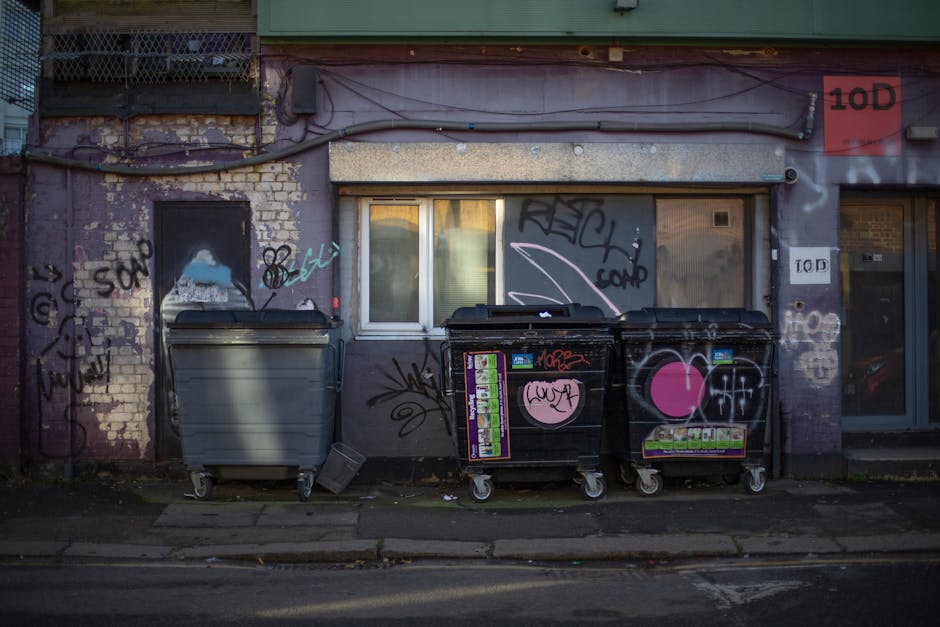
Cowley Shop Rubbish Collection Case Study for Small Business
If you run a small shop in Cowley, rubbish has a way of becoming a bigger problem than it looks on day one. One crate behind the counter turns into two. A few cardboard boxes by the stockroom door become a weekly pile. Then there's broken packaging, old display materials, and the awkward question of what to do with waste without slowing the business down.
This Cowley shop rubbish collection case study for small business looks at the practical side of shop waste removal: what typically builds up, how a collection service is usually planned, what good service looks like, and how small businesses can keep things tidy, compliant, and manageable. If you want a simple, local, no-nonsense view of the process, you're in the right place.
Truth be told, most shop owners do not need complicated waste theory. They need a routine that works on a busy Tuesday morning, not just on paper. So let's keep it grounded.
Table of Contents
- Why Cowley Shop Rubbish Collection Matters
- How Cowley Shop Rubbish Collection Works
- Key Benefits and Practical Advantages
- Who This Is For and When It Makes Sense
- Step-by-Step Guidance
- Expert Tips for Better Results
- Common Mistakes to Avoid
- Tools, Resources and Recommendations
- Law, Compliance, Standards, or Best Practice
- Options, Methods, or Comparison Table
- Case Study or Real-World Example
- Practical Checklist
- Conclusion
- Frequently Asked Questions
Why Cowley Shop Rubbish Collection Matters
For a small business, waste is not just waste. It affects appearance, safety, time, and sometimes even customer trust. A shop with overfilled bins, loose packaging, or clutter in the back room can feel neglected, even if the products themselves are excellent. That first impression matters. A lot, actually.
Cowley is a busy part of Oxford with a mix of convenience stores, independent retailers, takeaways, salons, and service-led businesses. That means waste can vary widely from one shop to the next. One business may mostly produce cardboard and soft packaging. Another may have mixed rubbish, broken shelving, or occasional bulky items from a refit. The collection plan has to reflect the reality of the shop, not a generic template.
This is where a good rubbish collection approach pays off. It helps avoid staff spending time making ad hoc disposal trips. It reduces the risk of bins overflowing behind the shopfront. And it gives the owner a clearer handle on costs, collection frequency, and what can be recycled instead of thrown away.
Expert summary: the best rubbish collection setup for a small Cowley shop is usually the one that is simple to follow, easy to monitor, and sized to the actual waste stream. Not too much. Not too little. Just workable.
How Cowley Shop Rubbish Collection Works
In practical terms, shop rubbish collection usually begins with a quick assessment of what the business throws away each week. That sounds obvious, but many shops skip it and simply guess. Guessing often leads to too few collections, which means mess, or too many, which means paying for capacity that is never used.
A straightforward collection setup normally covers these steps:
- Identify the main waste types: general rubbish, cardboard, plastic film, glass, and any bulky or awkward items.
- Estimate volume: look at what is generated during a normal week, not just during a stock delivery day.
- Choose a collection frequency: daily, weekly, or on-demand depending on the shop's pace.
- Set a storage point: bins, sacks, cages, or a secure yard area if space allows.
- Build a routine: staff know when to flatten cardboard, bag waste, and place items for pickup.
- Review regularly: if the shop changes product lines or opening hours, waste levels may change too.
That last point is easy to miss. A shop that adds fresh produce, takeaway items, or seasonal promotions can see waste jump without warning. One week it is tidy and manageable. The next, the back room looks like a cardboard avalanche. Not dramatic, just real.
In a local case study style scenario, the key is always the same: make waste movement predictable. Predictable waste is cheaper and less stressful than surprise waste.
If you are comparing providers or planning your own schedule, it may help to look at pricing and quotes before making a decision. Clarity on costs matters, especially for smaller retailers working to a fixed margin.
Key Benefits and Practical Advantages
Small businesses rarely have spare time for waste headaches. The upside of a well-managed shop rubbish collection system is that it quietly improves a lot of things at once.
1. A tidier, more professional shop
Customers notice clutter, even if they do not say it out loud. A clean stockroom and a clear rear access area help the business feel organised. That matters in a small shop where every impression counts.
2. Better use of staff time
If staff are constantly carrying bagged rubbish out in dribs and drabs, that is time lost from serving customers, restocking shelves, or handling deliveries. A set collection routine reduces those interruptions. Simple, but powerful.
3. Lower risk of odour, pests, or spills
Food wrappers, packaging residue, and general waste can attract unwanted attention very quickly in warmer weather. One forgotten sack near a back door can create a smell by the afternoon. You know the kind.
4. Easier recycling
Cardboard and clean packaging are often the easiest materials to separate. Once a shop starts sorting waste properly, recycling usually becomes much less of a chore. For businesses that want to improve their environmental performance, this can be a real win. If sustainability is important to you, take a look at recycling and sustainability for a broader view of responsible disposal practices.
5. More predictable budgeting
Waste costs can creep up when collections are not reviewed. A better process means the business can spot waste spikes, adjust frequency, and avoid paying for empty space or emergency callouts.
Who This Is For and When It Makes Sense
This kind of rubbish collection setup makes sense for a wide range of small businesses in Cowley, especially if they operate from compact premises and cannot let waste build up for long.
- Independent convenience stores
- Corner shops
- Off-licences
- Newsagents
- Small grocers and food retailers
- Hair and beauty salons with packaging waste
- Takeaways and cafes with front-of-house and prep waste
- Studios or small offices with regular paper and packaging waste
It also makes sense if you are in one of these situations:
- You have staff storing rubbish in unsafe or cramped areas.
- Cardboard is building up faster than it can be removed.
- You are trying to reduce visual clutter in the customer-facing area.
- Your current bin arrangement is awkward or unreliable.
- You are preparing for a refit, stock reset, or seasonal change.
There is also a trust angle here. If customers, landlords, or inspectors can see a business is taking waste seriously, it creates a stronger impression of care. Nothing flashy. Just professional.
Step-by-Step Guidance
If you want a process that is easy to follow, start here. This is the kind of routine that works in real shops, not just in tidy examples on a screen.
Step 1: Walk the shop at the end of a busy day
Look at where waste accumulates. Is it at the till area, the stockroom, near the back door, or around delivery points? The answer tells you where the real pressure is.
Step 2: Separate the waste into types
Keep cardboard, general waste, and recyclable packaging apart where possible. Mixed waste is harder to manage and often more expensive to deal with. Cardboard in particular should be flattened if you want to save space. That one habit makes a bigger difference than people expect.
Step 3: Decide what needs collection and how often
Not every waste stream needs the same schedule. Cardboard may need more frequent removal than general rubbish, especially if deliveries are regular. A weekly collection might be fine for one shop and nowhere near enough for another. The business should decide based on its own rhythm.
Step 4: Choose a safe storage spot
Pick a place that does not block fire exits, delivery routes, or customer access. If waste has to sit outdoors before pickup, it should still be secure and not create a hazard. A wet cardboard pile is never a good look. Let's face it.
Step 5: Brief the team
Even a good system falls apart if staff are unsure where things go. Keep the instructions short and visible. A one-page internal guide is often enough.
Step 6: Review after two or three weeks
Early reviews are useful because most waste systems need a small adjustment. Maybe the collections are too infrequent. Maybe the bin size is wrong. Maybe packaging is being opened in the wrong place. Small fixes now can save hassle later.
Step 7: Keep records and notes
It does not need to be elaborate. A simple note of collection dates, waste volume concerns, and any issues is often enough to spot patterns.
Expert Tips for Better Results
After looking at a lot of small-business waste setups, a few habits stand out. The shops that stay tidy are usually the ones that make waste handling boring. And that is a compliment, honestly.
- Flatten cardboard immediately. Do not let it balloon into a stack that steals floor space.
- Keep one waste point per work zone. If staff have to walk too far to dispose of packaging, waste tends to pile up.
- Use clearly labelled containers. Mixed waste happens when people are guessing.
- Match collections to delivery days. If deliveries arrive on Monday, waiting until Friday may be too late.
- Check back-of-house access regularly. A blocked alley or tight entrance can make collection awkward and slow.
- Watch for seasonal changes. Christmas, promotions, summer stock shifts, and refits all change waste patterns.
A small but useful tip: ask the person who actually opens the boxes each day. They usually know where the real bottleneck is. Managers sometimes think it is one thing; the person stacking cartons at 8:15 a.m. knows it is another.
If you want a more structured view of your options, the company's about us page can help you understand its approach and the values behind the service.
Common Mistakes to Avoid
Most waste problems are not caused by one huge failure. They come from small, repeated mistakes. Annoying, yes. But fixable.
Leaving waste planning until the shop is already full
That usually leads to panic decisions, rushed pickups, and poor storage. Plan before the pressure builds.
Mixing cardboard with general rubbish
Once recyclable material is contaminated, it becomes harder to manage and may not be accepted in the same way. Separate it early.
Choosing a collection schedule based on guesswork
It is tempting to pick a frequency that sounds reasonable. The trouble is, reasonable on paper can be wrong in practice.
Ignoring access issues
If the collection vehicle cannot get to the waste area easily, the whole process becomes slower and more stressful. Cowley has plenty of places where access is not exactly generous.
Failing to brief temporary staff
Seasonal staff or weekend staff often miss the unwritten rules. A quick induction avoids silly mistakes.
Not reviewing after busy periods
Waste levels change. A shop that handled summer just fine may struggle in the run-up to Christmas, or after a promotional reset. If you ignore that pattern, the system drifts out of shape.
Tools, Resources and Recommendations
You do not need expensive kit to run shop rubbish collection well. A few simple tools and habits usually do the job.
- Heavy-duty bin bags for general rubbish, chosen to suit the load
- Cardboard cutter or box knife for breaking down packaging safely
- Labelled bins or tubs to separate waste streams
- Wall notice or staff guide for disposal rules
- Spare gloves and cleaning materials for handling spills or leaks
- Collection log to track service dates and waste issues
On the service side, a small business should look for clear communication, sensible scheduling, and straightforward billing. It sounds obvious. It really should be obvious, but sometimes it is not.
When reviewing service terms, it helps to check practical details such as service scope, payment timing, and what happens if access is restricted. For that, the provider's terms and conditions and payment and security information are worth reading before you commit.
If your business is comparing options, the safest approach is to favour clarity over promises. A provider that explains how collections are handled, what materials are accepted, and how issues are resolved is usually easier to work with in the long run.
Law, Compliance, Standards, or Best Practice
This is the area where small businesses sometimes get a bit casual, and that can cause headaches later. In the UK, businesses are generally expected to manage their waste responsibly and avoid illegal dumping or unsuitable storage. If waste is collected on your behalf, you still need to be sensible about segregation, presentation, and due diligence.
There is no need to overcomplicate it, but a few principles are worth keeping in mind:
- Store waste safely. It should not block exits, create trip hazards, or attract pests.
- Keep recyclable material as clean as practical. Cardboard and clean packaging are easier to handle when not contaminated.
- Use a reliable service arrangement. Make sure collection timing and access are understood.
- Be mindful of health and safety. Staff should not have to lift, drag, or carry waste in ways that create avoidable strain.
- Keep your premises tidy. That helps with general safety, customer perception, and day-to-day operations.
For businesses that want to understand the provider's approach to workplace risk, the health and safety policy and insurance and safety pages are useful trust signals. They do not replace your own responsibilities, but they do show whether the service is thinking properly about risk and safe working.
If a complaint ever arises, it is reassuring to know there is a process rather than a shrug and a voicemail. That is why a clear complaints procedure matters more than many people realise.
For customers who care about ethical business practices, the provider's modern slavery statement and recycling and sustainability information help round out the trust picture. In a small-business setting, these details may not be the first thing you ask about, but they matter.
Options, Methods, or Comparison Table
Small shops usually end up choosing between a few common collection methods. Each has its place. The right one depends on space, volume, and how predictable the waste is.
| Method | Best for | Pros | Watch-outs |
|---|---|---|---|
| Scheduled routine collections | Shops with steady waste levels | Predictable, easy to budget, less clutter | Can be too frequent or too infrequent if not reviewed |
| On-demand collections | Businesses with irregular spikes | Flexible, useful during refits or seasonal peaks | Can be less convenient if not booked early enough |
| Mixed waste pickup | Sites with limited sorting space | Simpler for staff, less sorting effort | May miss recycling opportunities and can be less efficient |
| Separated waste streams | Shops that generate steady cardboard and packaging waste | Cleaner workflow, better recycling habits | Needs discipline and basic staff training |
In many Cowley shop settings, a separated approach works best if there is room for it. If space is tight, a hybrid model may be more realistic: separate cardboard where possible, keep general waste controlled, and review monthly. That balanced approach is often the sweet spot.
Case Study or Real-World Example
Here is a realistic small-business scenario based on common shop conditions in Cowley.
A compact independent shop receives regular stock deliveries and sells a mix of convenience items, drinks, and household basics. The owner notices that cardboard is building up near the rear of the premises by midweek, and staff are starting to stack it in a walkway. Nothing dramatic, but enough to create a cramped and slightly messy feel.
After reviewing the routine, the business changes three things:
- Cardboard is flattened as soon as stock is unpacked.
- A dedicated storage area is assigned for general rubbish so it does not spread across the back room.
- Collections are aligned more closely with delivery days, rather than being left too long between pickups.
The result is not magic. It is just better control. Staff spend less time shifting waste around. The stockroom feels clearer. And the shop no longer has that nagging "we'll deal with it later" corner that everybody avoids walking past.
What this example shows is simple: waste management does not have to be dramatic to be effective. A few small operational changes can make the whole place feel calmer, cleaner, and easier to work in. That matters on a busy Friday afternoon, especially when there are customers coming and going and the kettle is probably on somewhere in the back.
Practical Checklist
Use this checklist to pressure-test your current setup. If you can tick most of these off, you are already in decent shape.
- Waste types have been identified clearly.
- Cardboard is flattened before storage.
- General waste is kept separate where practical.
- Collection frequency matches actual waste volume.
- Waste storage does not block exits or work areas.
- Staff know where to place rubbish and recyclables.
- Access for collection is clear and safe.
- Collection dates are logged or tracked somehow.
- Seasonal waste spikes are reviewed after busy periods.
- Service terms, payment details, and complaint steps are understood.
If one or two of those are missing, no panic. Most businesses improve in stages. The key is noticing the weak spot before it becomes a weekly annoyance.
Conclusion
A good Cowley shop rubbish collection setup is not about perfection. It is about making waste one less thing to worry about. For a small business, that can be a real lift. Cleaner premises, safer movement in the back room, smoother staff routines, and fewer last-minute scrambles all add up.
The most successful approach is usually the simplest one that matches the shop's actual waste output. Start with a clear assessment, keep materials separated where practical, review the schedule regularly, and choose a service that is transparent about safety, pricing, and process. Small improvements make a big difference over time. They really do.
If you are refining your shop's waste routine or planning a new collection schedule, it may help to review the provider's contact options and then ask for a tailored conversation about your premises, timing, and access needs.
Get a free quote today and see how much you can save.
And if you want the honest version: once waste is under control, the whole shop tends to breathe a little easier. So does the person opening up first thing in the morning.
Frequently Asked Questions
What is a Cowley shop rubbish collection case study for small business?
It is a practical look at how a small shop in Cowley can manage rubbish collection more efficiently. The idea is to show what usually works, what causes problems, and how to build a simple system that fits a real retail space.
Why does shop rubbish collection matter for small businesses?
Because waste affects presentation, safety, staff time, and customer perception. A tidy shop feels more organised, and a clear routine stops rubbish from becoming a daily distraction.
How often should a small shop arrange rubbish collection?
That depends on waste volume, delivery frequency, and available storage space. A steady shop may manage with weekly collections, while a busier site may need more frequent pickups or a mixed approach.
What waste types are most common in retail shops?
Cardboard, packaging film, general refuse, and occasional bulky items are the usual ones. Food-related retailers may also have more odour-sensitive waste, so timing matters more.
Can small shops recycle cardboard separately?
Yes, usually they can if the cardboard is reasonably clean and stored separately. Flattening boxes helps a lot because it saves space and makes collections more efficient.
What are the biggest mistakes shops make with rubbish collection?
The most common issues are poor sorting, leaving collections too long, blocking access routes, and failing to brief staff. These are small things, but they create messy results quickly.
How do I know if my current waste setup is working?
If waste is not overflowing, staff understand the routine, and the back-of-house area stays reasonably clear, that is a good sign. If you are constantly adjusting bins or moving piles around, the setup probably needs a review.
Is it better to have scheduled collections or on-demand collections?
Scheduled collections are often best for predictable waste. On-demand collections can work well during seasonal peaks, refits, or irregular waste periods. Some shops use both.
What should I look for in a rubbish collection provider?
Look for clear communication, practical collection timing, sensible pricing, and proper attention to safety. It also helps if the provider explains service terms in plain English and has a clear process for complaints if needed.
Do I need to worry about safety when storing rubbish behind a shop?
Yes, definitely. Waste should not block exits, create trip hazards, or sit in a way that causes odours or pest problems. Safe storage is part of good shop management, not an extra.
How can rubbish collection help my shop feel more professional?
A cleaner storage area, fewer loose bags, and less cardboard clutter make a shop look calmer and more dependable. Customers may not mention it, but they will notice it.
Where can I find more information before booking?
Start with the provider's service and trust pages, especially pricing and quotes, insurance and safety, and health and safety policy. They give a better picture of how the service is structured and what to expect.